By Mateusz Rys, MMR Fitness
It's half five. It's dark, it's drizzling (this is Carlisle, after all), you've had a long day and the sofa is giving you that look. Your plan said "gym tonight". Your body is saying "absolutely not".
We've all been there. And on most of those evenings, the voice in your head comes up with a very reasonable-sounding idea: "I'll go tomorrow, when I've got more energy."
Here's the thing. Tomorrow's energy rarely turns up either. So let's talk about doing it when you're tired, what that should look like, and when tired actually means "rest".
Why waiting to feel ready fails
If you only train when you feel fresh, rested and raring to go, you'll train about four times a year. Real life doesn't hand out many of those days. Work, kids, bad sleep, early sunsets, a cold that's doing the rounds at the office: there's always something.
Waiting for energy sounds sensible, but it quietly puts your habit on hold until conditions are perfect. And conditions are never perfect.
The good news is that energy often follows action, not the other way round. Plenty of people arrive feeling flat and leave feeling better than when they started. A bit of movement gets the blood flowing, clears your head after a day at a screen, and gives you that small "I did it" feeling that's worth more than people think.
There's also the bigger picture. Every time you turn up on a tired day, even for ten minutes, you're proving to yourself that you're someone who shows up. That matters far more than any one session. I wrote more about why showing up beats perfection if you want the longer version.
Imperfect action beats waiting to feel ready. Every time.
What "doing it tired" actually looks like
This is the important bit. Doing it tired does not mean forcing yourself through your hardest session at full effort. It means doing a smaller, kinder version of the plan. Lower the bar so you can still step over it.
- The short session. Warm up, do your two main exercises, go home. Twenty minutes, job done.
- The half workout. Planned three sets? Do two. Planned five exercises? Pick your favourite three. Leave the extras for a better day.
- The lighter session. Same exercises, lighter weights, more rest. You're practising the movement, not chasing a personal best.
- The walk. A brisk 20 to 30 minutes round the block, along the river or through the park. Walking is massively underrated and it absolutely counts.
- The ten-minute deal. Tell yourself you'll do ten minutes. If you still feel rubbish after that, you're allowed to stop. Most of the time, you'll keep going. Sometimes you won't, and that's fine too, because you still did ten minutes.
A useful rule: on a tired day, finish feeling like you could have done a bit more. You should leave a little better than you arrived, not completely wiped out.
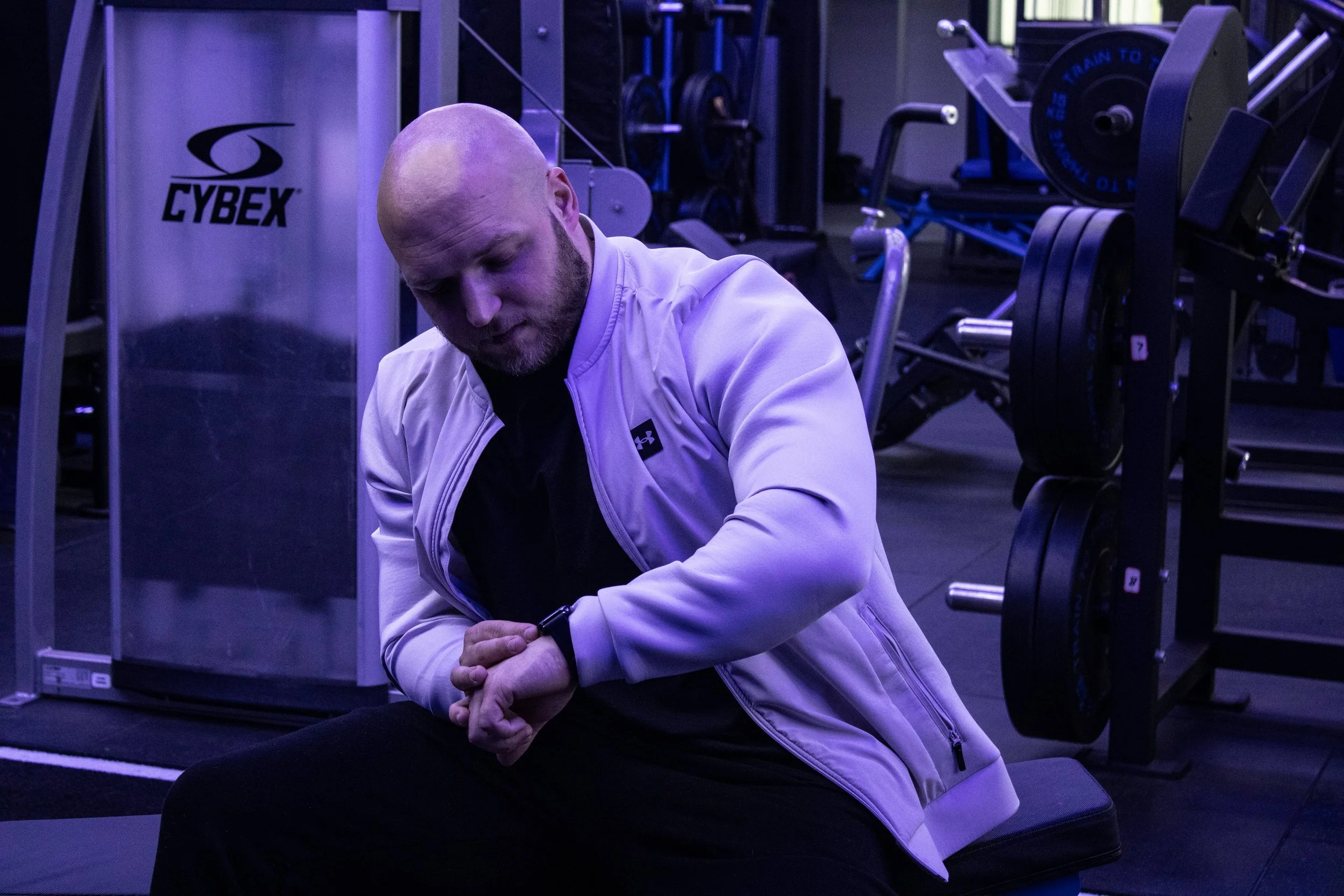
Tired vs unwell: when to rest instead
Now the safety note, because "do it when you're tired" doesn't mean "do it no matter what".
There's a big difference between being just tired (a long day, a bit sluggish, can't be bothered) and your body telling you it needs proper rest. Take the day off, or stick to very gentle movement at most, if:
- You're ill. Fever, chest infection, flu-like aches, or feeling properly run down. A common rule of thumb is that mild symptoms "above the neck" (like a slightly stuffy nose) might be okay for a gentle walk, but anything in your chest or a temperature means rest.
- You're injured or in pain. Sharp pain, swelling, or pain that gets worse as you move is a stop sign, not something to push through.
- You're exhausted for days on end. If you've been wiped out for a week or more, sleeping badly, or your performance keeps dropping, that's a sign to ease off, not dig in.
- You've had almost no sleep. One rough night? A light session is usually fine. Running on fumes for days? Prioritise rest and sleep first.
If you're ever unsure, rest. One missed session won't undo anything. And if tiredness is sticking around for no obvious reason, it's worth a chat with your GP.
Practical tips for tired days
1. Decide your "tired day" plan in advance. Have a backup session ready, such as 20 minutes, three exercises, or a walk. When you're tired, you don't want to be making decisions.
2. Get changed first. Put your kit on before you sit down. It's surprisingly hard to talk yourself out of training once your trainers are on.
3. Train earlier if you can. If you're always shattered by evening, try a morning or lunchtime session, even a short one. Not possible every day, but worth a go.
4. Have a snack and some water. Sometimes "tired" is really "hungry and a bit dehydrated". A banana and a glass of water an hour before can make a real difference.
5. Lower the bar, don't remove it. Swap the full session for the short one. Swap the gym for a walk. Keep the habit going, even if it's a smaller version.
6. Don't let nerves pretend to be tiredness. Sometimes "I'm too tired" really means "I don't fancy walking into a busy gym". If that sounds like you, have a look at my gym confidence guide for beginners.
7. Look after your sleep. The best fix for constant tiredness is usually better sleep, not more willpower. Regular bedtimes, less late-night scrolling and a darker room all help.
8. Give yourself credit. A tired 20-minute session is a win. Tick it off and be a bit proud of yourself. You did the hard bit: you started.
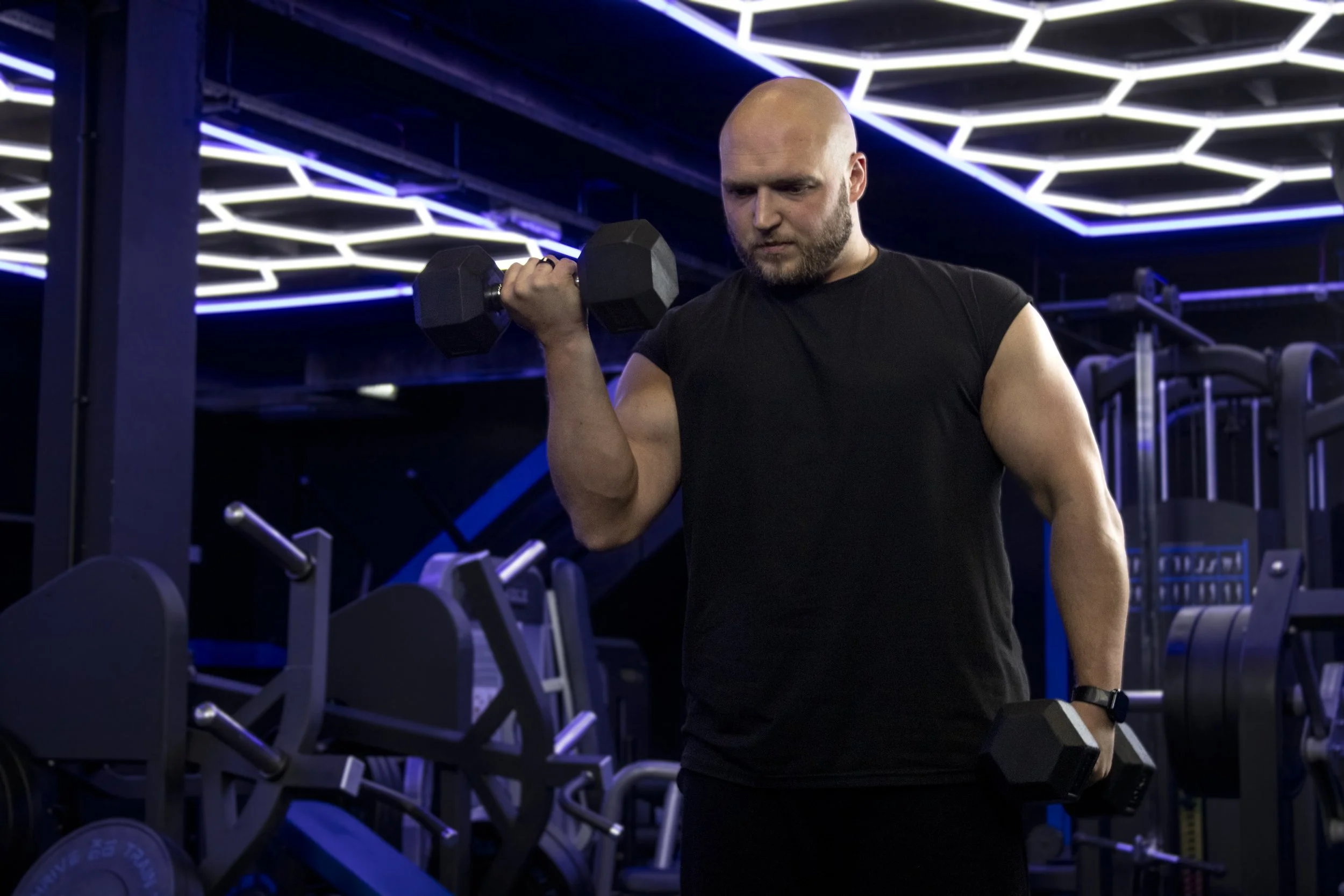
Small effort, still counts
You don't need to feel amazing to train. You just need to do something, sensibly, and keep the habit ticking over until the better days come round again (and they will).
If you'd like a bit of structure for those weeks when time and energy are both low, the Busy Week Training guide is on my Guides page, along with the Sleep & Recovery guide if it's the tiredness itself you want to sort out. All written in plain English, beginners very welcome.
You can also join the mailing list for practical tips now and then. No spam, no pressure, just useful bits to help you keep going.
And if you're local and fancy a bit of support, have a look at personal training in Carlisle. No pressure, just an option if it helps.
So next time the sofa's calling, try the ten-minute deal. You might surprise yourself.
A quick note: this is general fitness education, not medical advice. If you have an injury, a health condition, ongoing tiredness or any concerns, please check with your GP or a qualified health professional before starting or changing an exercise routine.
Mateusz Rys, MMR Fitness