By Mateusz Rys, MMR Fitness
You’re halfway through a set of goblet squats when you catch someone looking over. Your brain does the maths instantly: they think I’m doing it wrong, they think I don’t belong here, they think I look daft. By the time you’ve finished the set, you’ve written a full story about a stranger you’ve never spoken to.
Or maybe it’s not the gym at all. It’s the mate at the pub who says “ooh, gym tonight, is it?” with a raised eyebrow. The relative who asks why you’re bothering. The colleague who jokes about your packed lunch. People who aren’t into fitness can have a lot of opinions about it.
So let’s talk about feeling judged: why it happens, why it matters a lot less than it feels like it does, and how to get comfortable being seen while you get on with it.
Most people aren’t watching you (honestly)
I know you’ve heard this before, but it’s worth saying properly. In the gym, most people are thinking about themselves. Their next set, their playlist, whether their knees are making that noise again. If someone glances your way, they’re usually looking at the clock behind you, waiting for the bench, or just staring into space between sets. We all do the “thousand-yard gym stare”. It doesn’t mean anything.
Psychologists even have a name for the feeling that everyone’s noticing you more than they are: the spotlight effect. Your mind puts a big light on you, but from the outside you’re just another person getting a session in on a wet Tuesday in Carlisle.
And the people who are paying attention? In my experience, regulars are far more likely to respect a beginner than mock one. Most of them remember being new. Turning up when you’re unsure is the bit everyone admires, even if they never say it.
Their opinions don’t train for you
Now, the people outside the gym. Sometimes the judgement is real. Someone might roll their eyes, make a comment, or tell you it’s “not for people like us”.
Here’s the thing: their opinion doesn’t do your reps. It doesn’t sleep for you, eat for you, or turn up for you on a cold January evening. You’re the one who feels the benefit, so you’re the one whose opinion counts.
It also helps to remember that comments about your training often aren’t really about you. Sometimes people feel a bit uncomfortable when someone around them starts changing, because it reminds them of something they’ve been putting off. That’s not your problem to fix. You don’t need to convert anyone, defend yourself, or give a TED talk at the dinner table. A simple “yeah, I’m enjoying it” usually ends the conversation nicely.
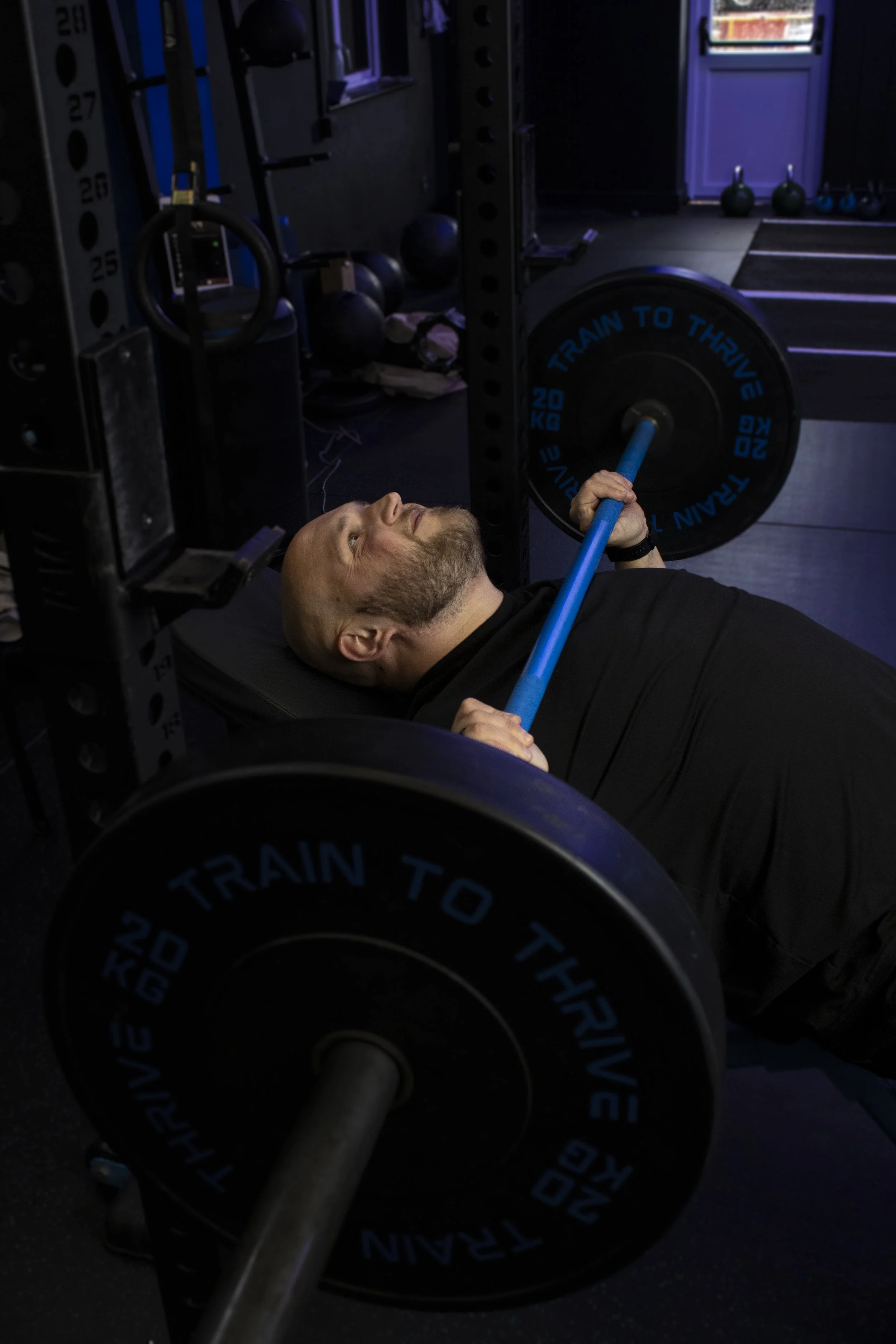
Being comfortable being seen is a skill
This is the big one. Confidence in being watched isn’t something you either have or don’t. It’s a skill, and like any skill, it gets better with practice.
The first few sessions, you’ll probably feel self-conscious. That’s normal. The tenth session, a bit less. By the time you’ve been going a couple of months, you’ll realise you haven’t thought about anyone watching for weeks. Nothing magic happened. You just kept showing up and your brain got used to it. That’s why I bang on about why showing up beats perfection; consistency fixes a lot of things, nerves included.
You don’t need to wait until you feel confident to start. You get confident by doing it while you feel a bit awkward.
Practical tips if you feel judged
A few things that genuinely help the beginners I work with:
- Go in with a plan. Write down your exercises, sets and reps before you get there. Wandering about wondering what to do is when you feel most “on show”. With a plan, you’ve got a job to do.
- Pick a quieter time to start. Mid-morning or later in the evening is often calmer than the 5–7pm rush. Once you’re settled, busier times feel much easier.
- Have a home base. Start each session in the same corner or on the same bit of kit. Familiar ground makes everything else less daunting.
- Headphones in. Not to block the world out forever, just to give yourself a little bubble while you find your feet.
- Wear what you’re comfortable in. You don’t need matching gym kit. An old T-shirt and trainers you can move in are absolutely fine.
- Practise being a beginner on purpose. Use a lighter weight than you think and nail the movement. Good form with a light weight looks far better than ego-lifting anyway.
- Have a stock answer for outside comments. “It makes me feel good” is hard to argue with. Then change the subject to the football.
- Notice the story you’re telling. When you catch yourself thinking “they think I’m useless”, ask what the evidence is. Usually it’s a glance. That’s not much to go on.
If walking through the door is still the hardest part, my post on what to do if you’re scared to start the gym covers day one. For the weeks after that, have a read of my gym confidence guide for beginners. It’s full of small habits that make the gym feel like yours, from etiquette to logging your progress.
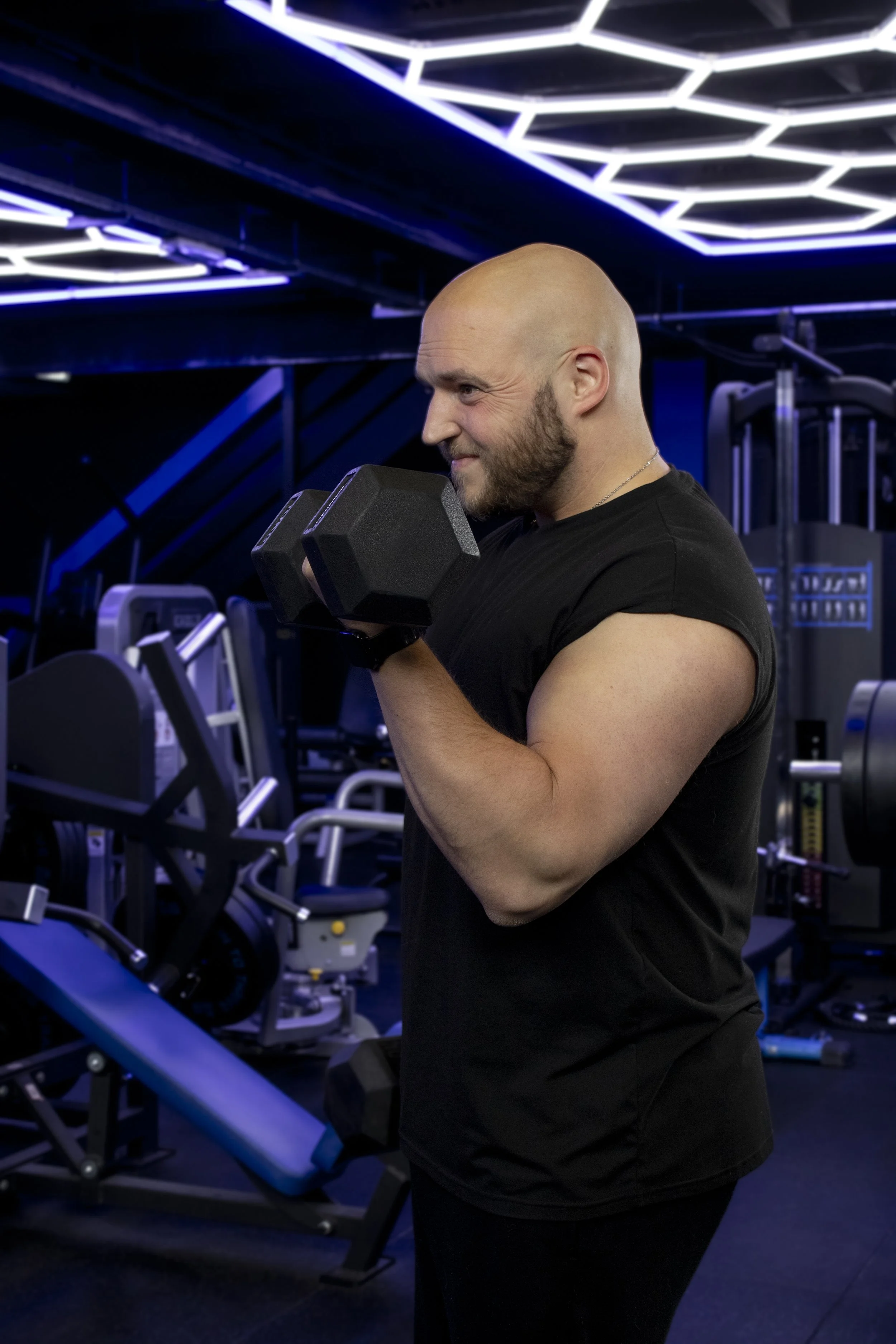
Being judged a bit is part of doing something good
Anyone who changes anything gets a bit of side-eye at some point, whether it’s a new job or signing up for a fell race in a Cumbrian winter. It comes with the territory. The goal isn’t to never feel judged; it’s to feel it, shrug, and carry on with your set anyway.
And here’s a nice twist: one day you’ll be the regular. A nervous beginner will walk in, look around, and catch your eye. You’ll remember exactly how that felt, and a little nod or a “you alright?” will make their day.
Want a bit more support?
If you’d like a step-by-step structure so you walk into every session knowing exactly what you’re doing, have a look at the Gym Confidence guide on my Guides page. Plain English, beginners very welcome, and you can go at your own pace.
You can also join the mailing list for the odd practical tip in your inbox. No spam, no pressure.
And if you’re local and would feel better with someone in your corner for the first few sessions, have a look at personal training in Carlisle. No pressure at all, just an option if it helps.
Let them look. You’ve got a session to do.
A quick note: this is general fitness education, not medical or mental health advice. If feeling watched or judged is causing you a lot of anxiety, affecting your daily life, or stopping you from going out, please speak to your GP or a qualified mental health professional. And if you have a health condition or injury, check with your GP before starting or changing an exercise routine.
Mateusz Rys, MMR Fitness